
Markets
Architects
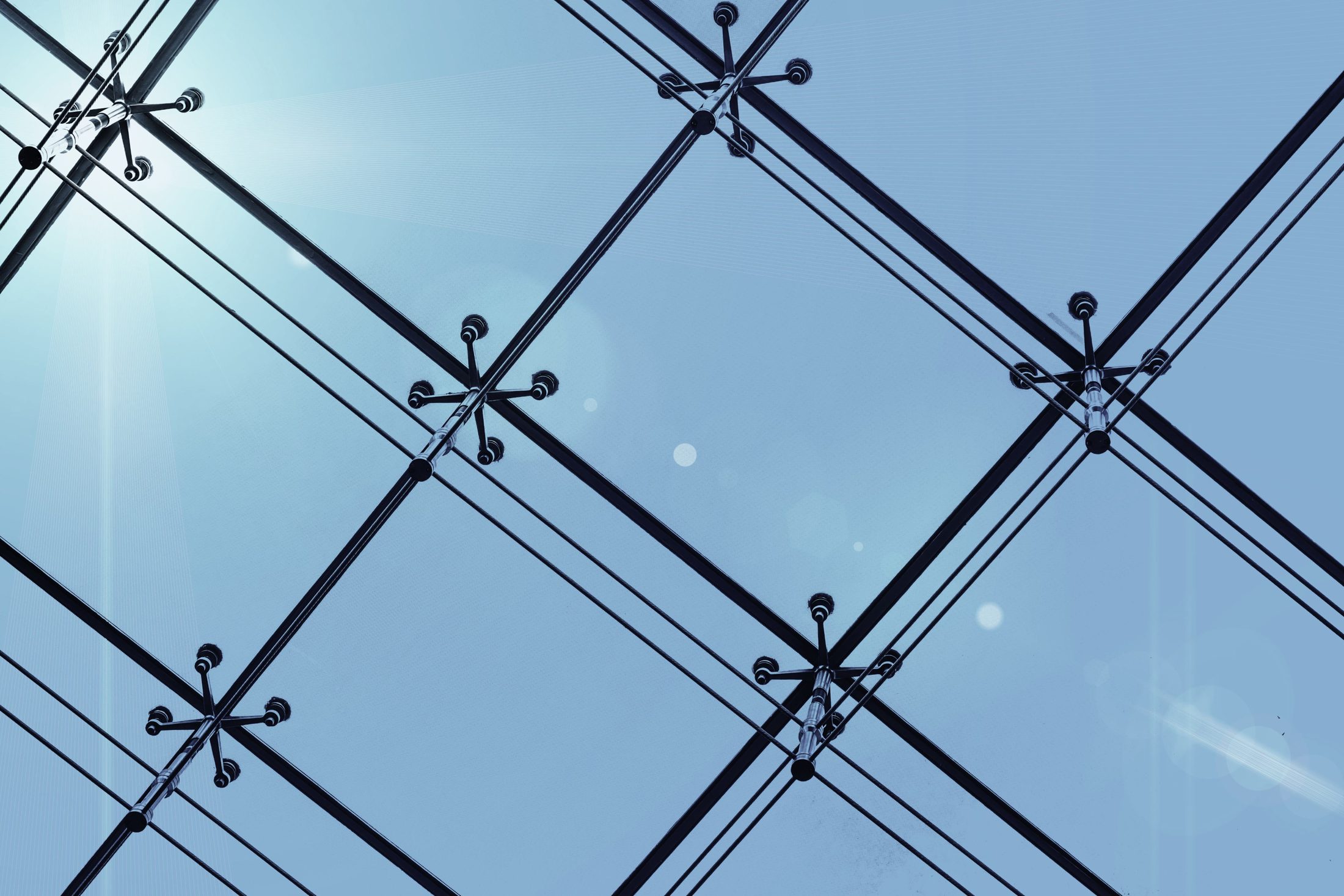
The freedom to design spaces without visual barriers
eLstar’s dynamic glass eliminates the need for blinds and curtains, allowing for a clean and minimalist design with integrated light and privacy control.
Reduce energy consumption without compromising design. By modulating light and heat transmission, our glass enhances a building’s thermal efficiency, reducing the need for artificial climate control and optimizing interior comfort.
Daylight autonomy: designing facades that maximize usable daylight
Daylight autonomy measures the percentage of occupied hours in a year that a space meets its lighting needs using daylight alone, without switching on artificial lighting. It’s one of the key metrics used in LEED and WELL daylighting credits, and increasingly a design target in its own right for architects working on sustainable, occupant-focused buildings.
The challenge is that daylight autonomy and glare control usually pull in opposite directions. Static glazing and fixed shading systems are typically designed around a worst-case sun condition, which means they block far more daylight than necessary for most of the year. Blinds and curtains solve glare but sacrifice daylight and views entirely whenever they’re closed.
ELM dynamic glazing removes that trade-off. Because light transmission can be modulated continuously from under 0.1% to over 70%, a facade can stay as clear as possible for as much of the day as possible, and only tint down when direct sun or glare actually requires it. That responsiveness is what allows a building to achieve meaningfully higher daylight autonomy scores than it would with static shading, without exposing occupants to glare or excessive solar heat gain.


How our ELM glazing achieves daylight autonomy in practice
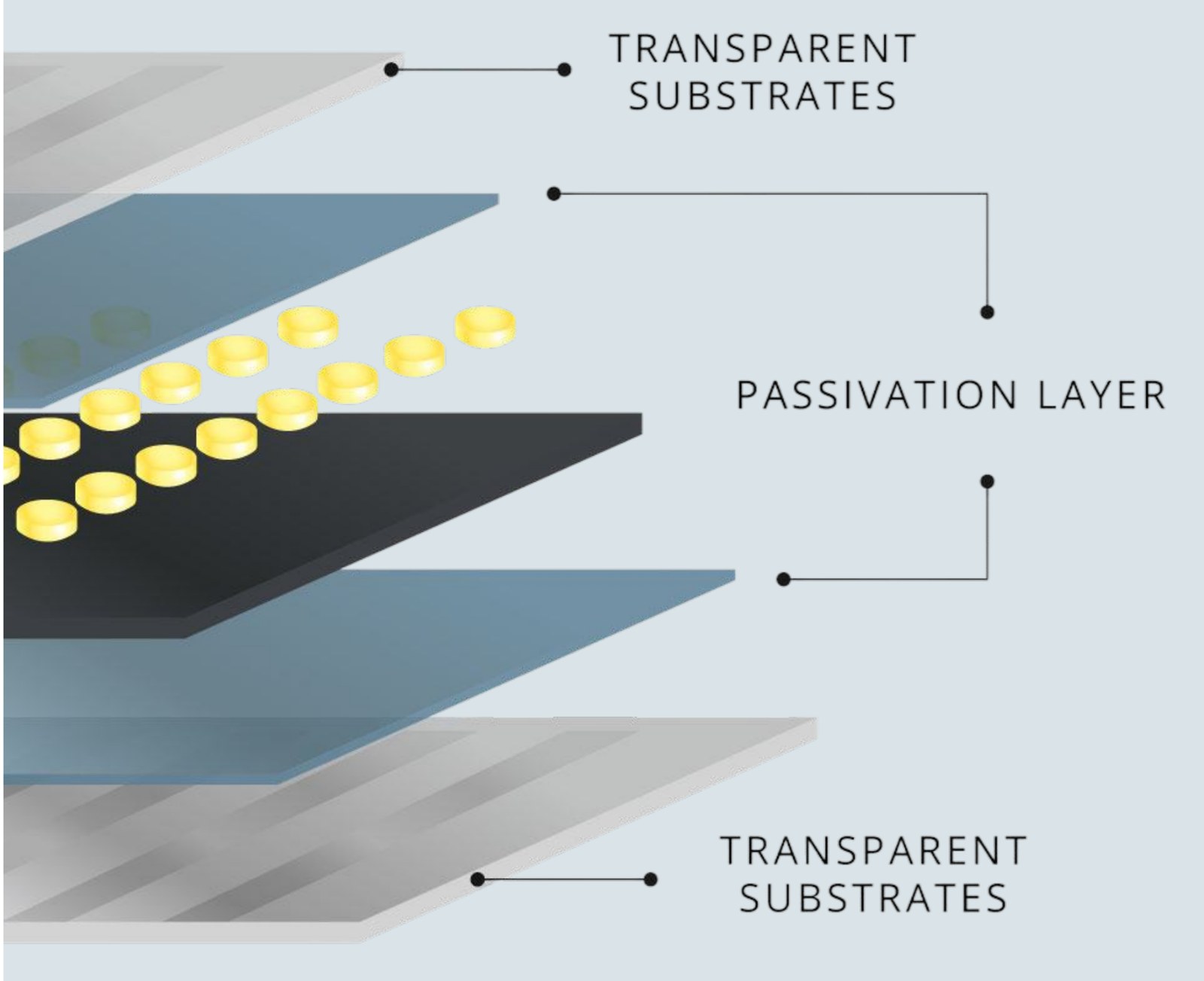
The technology behind this is eLstar’s ELM (Electrophoretic Light Modulator), which uses electric fields to move pigment particles rather than relying on a chemical reaction. This has two direct consequences for daylight autonomy:
- Switching speed: the glass can respond in under 30 seconds to changing sun conditions, so it can track real-time daylight availability rather than being set once for the day.
- Neutral clear state: at its clearest setting, eclipse™ glazing transmits light through a neutral grey tint at 98 CRI, so the daylight that does enter the space renders color accurately, unlike the residual tint left by many electrochromic systems even in their “clear” state.
Combined, this means a facade spends more of the year in a state that both admits daylight and remains visually comfortable, which is exactly what daylight autonomy calculations reward.

Neutral tint
Clear in < 30 sec

Widest tint range
0.2% Dark - 70% Clear

Largest sizes
2.9 m x 3.3 m

Shapes enabled
Trapezoids and circles

Attractive color
Neutral grey

Low power
1W / m²
Daylight autonomy and occupant wellbeing
Daylight autonomy isn’t only an energy metric. WELL certification and a growing body of workplace research both link consistent access to natural daylight with improved mood, alertness, and circadian regulation for building occupants. A facade that has to choose between “bright but glary” and “comfortable but dark” tends to push occupants toward closing blinds altogether, which removes both the energy benefit and the wellbeing benefit at once.
Because ELM glazing can hold an intermediate tint rather than only switching between fully clear and fully dark, it’s possible to tune a facade to stay in a state that’s both glare-free and daylight-positive for a much larger share of the day, rather than defaulting to the most conservative setting to avoid complaints.
Versatility for every project type
- Commercial atria: large, often south-facing glazed volumes where uncontrolled solar gain and glare are common complaints. Dynamic modulation lets these spaces stay bright and open for most of the day while managing peak sun without blinds.
- Residential windows: homeowners get daylight and views by default, with tinting available on demand for privacy or glare, rather than living behind curtains that block both.
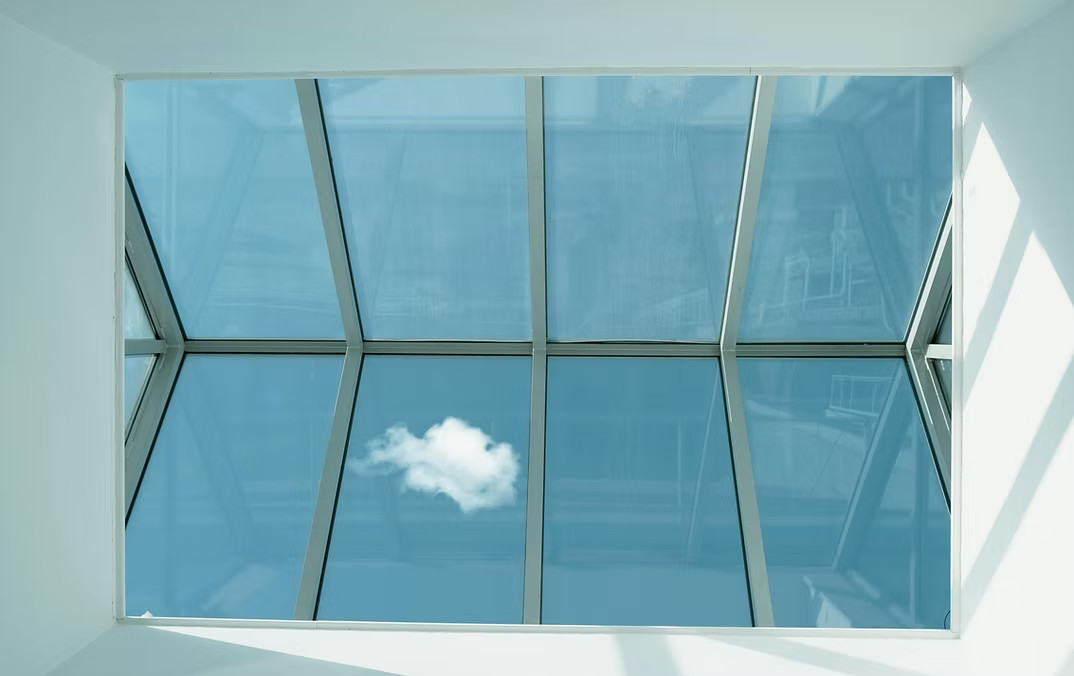
- Skylights: overhead glazing faces the most extreme swings in solar intensity over the course of a day. Fast, uniform switching is particularly valuable here, since skylights can’t be shaded with blinds the way vertical facades can.

Neutral aesthetics: avoiding the blue tint problem in smart glass facades
Architects often avoid smart glass because of the visible blue or yellow tint associated with electrochromic solutions, even in their supposedly clear state. Because eLstar Dynamics uses electrophoresis to physically move pigments rather than trigger a chemical reaction, ELM glazing transitions to a genuinely neutral tint. This preserves a building’s intended material palette and color scheme, and gives occupants a more natural visual experience of both daylight and views, which is a meaningful contributor to daylight autonomy and occupant wellbeing metrics alike.
This is particularly relevant for facades where the glazing itself is a visible design element rather than a background material, such as full-height curtain walls or feature atria. A residual tint that shifts a building’s material palette can undercut the design intent in exactly the locations where that intent matters most, which is why neutral clarity is treated as a specification requirement on many architecturally ambitious projects rather than a nice-to-have.
Integrating ELM glazing with Building Management Systems (BMS)
ELM glazing is designed for the modern smart building. It integrates with Building Management Systems via standard protocols, allowing a facade to respond automatically to sun sensors, occupancy levels, or time-of-day scheduling. In a daylight autonomy strategy, this means the facade isn’t just capable of high transmission, it’s actively managed to stay as clear as possible whenever conditions allow, rather than defaulting to a conservative static setting.
In practice, this integration lets a facade combine several inputs at once: exterior illuminance sensors to detect actual daylight levels, interior occupancy sensors to confirm whether the response is even needed, and scheduling logic to account for known patterns like a west-facing atrium’s late-afternoon sun. Rather than a single fixed schedule, the glazing can be tuned continuously, which is what allows daylight autonomy targets to be met in practice rather than just on paper during design modelling.
Curved facades and complex geometries
Design freedom is core to how eLstar’s technology is engineered. The modulator is compatible with flexible substrates, which makes it suitable for curved glass lamination. This allows architects to apply high-performance dynamic glazing to organic shapes and complex geometries that were previously limited to static glass, without giving up the daylight and solar control benefits described above.
This matters increasingly for atria, canopies, and facade elements that are designed as sculptural or non-rectilinear forms. Historically, dynamic glazing options have forced a choice between design ambition and smart glass performance, since most switchable technologies are difficult to apply reliably to curved or faceted surfaces. Because eclipse™’s modulator can be laminated onto flexible substrates, that constraint doesn’t have to shape the facade design from the outset.
Reducing embodied carbon in facade design
Beyond operational energy savings, eLstar focuses on the supply chain itself. eclipse™ glazing uses recyclable materials and is manufactured within existing glass processing facilities rather than requiring new, high-energy production plants. This meaningfully lowers the embodied carbon of the finished glazing unit compared to technologies that depend on entirely new manufacturing infrastructure, an increasingly important consideration as whole-life carbon requirements tighten across European building regulation.
For architects working toward net-zero or whole-life carbon targets, this matters because operational energy savings and embodied carbon are usually reported separately, and a product that only improves one side of that equation can still fall short of a project’s overall carbon budget. Because the eclipse™ modulator integrates into a glass processor’s existing lamination line rather than requiring a new dedicated production facility, the embodied carbon associated with manufacturing capacity itself doesn’t need to be added to the glazing unit’s lifecycle assessment.
Daylight performance at a glance
This is the practical reason ELM glazing supports higher daylight autonomy outcomes than either static shading or first-generation electrochromic systems: it stays clear longer, responds faster, and doesn’t compromise color rendering when it does tint.
Features
Light transmission range
Changing to sunny conditions
Daylight during peak glare hours
Color rendering at clearest state
Static glazing + blinds
Fixed, or fully blocked when blinds closed
Manual or none
None (blinds closed)
True color (unshaded)
Electrochromic glazing
Roughly 1% to 60%, with residual tint
Minutes
Reduced, tinted
Shifted by residual tint
ELM dynamic glazing
Under 0.1% to over 70%, neutral tint
Under 30 seconds
Reduced, neutral clarity maintained
98 CRI, neutral grey
Where else ELM technology is used
Beyond architectural facades, ELM technology is also deployed across:
Automotive
Sunroofs and glazing where fast, uniform switching supports both comfort and safety.
Residential
Windows and doors where homeowners want on-demand privacy and glare control without blinds or curtains.
Glass processing
Fabricators integrating ELM inserts into standard lamination lines to produce smart glass at scale.

F.A.Q
How does eclipse™ handle neutral aesthetics compared to electrochromic glass?
Architects often avoid smart glass due to the “blue tint” seen with electrochromic solutions. Because eLstar uses Electrophoresis to physically move pigments, our glass transitions to a perfectly neutral tint. This preserves the building’s aesthetic intent and provides a superior visual experience for occupants.
Can eLstar glass be integrated into Building Management Systems (BMS)?
Yes. Our technology is designed for the modern smart building. It can be fully integrated with BMS via standard protocols, allowing the facade to respond automatically to sun sensors, occupancy levels, or time-of-day scheduling for optimal energy performance and glare control.
Does this technology allow for "Daylight Autonomy" in sustainable design?
Absolutely. By modulating light transmission from <0.1% to >70%, eclipse™ allows you to maximize “Daylight Autonomy.” This reduces the need for artificial lighting during the day, enhancing human well-being and productivity while further lowering the building’s operational carbon footprint.
Is the technology compatible with curved facades and unique geometries?
Design freedom is at the core of eLstar. Our modulator is compatible with flexible substrates, making it compatible with curved glass lamination. This allows architects to apply high-performance dynamic glazing to organic shapes and complex geometries that were previously limited to static glass.
How does eLstar help in reducing "Embodied Carbon"?
Beyond energy savings, we focus on the supply chain. By using recyclable materials and manufacturing within existing glass processing facilities, we significantly lower the embodied carbon of the glazing unit compared to technologies that require new, high-energy production plants.